Contributed by Emma Amador
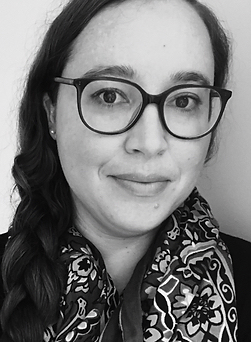
Over the past ten years I have been researching and writing about the life and work of Dr. Antonia Pantoja, Black Puerto Rican Civil Rights activist, scholar, and educator whose work changed the world. While writing my first book, The Politics of Care: Puerto Ricans, Citizenship, and Migration after 1917 on the history of Puerto Rican care workers, social work, and the history of social welfare programs, I found Pantoja to be a very important part of the story that I wanted to tell. As a social worker and educator Pantoja innovated a community organizing approach in the institutions she built, and she helped inspire new generations to organize politically. My research led me to begin dreaming about writing a book about Pantoja that would introduce more readers, students, and policymakers to her life and legacy.
This fall, the University of Connecticut’s College of Liberal Arts and Sciences supported my research by funding my proposal with a CLAS Faculty Funding in Academic Themes Grant. This funding will allow me to begin writing the book, Bright Futures: Antonia Pantoja and the Practice of Ethnic Studies. This monograph will be the first book-length biography about Pantoja, and it will aim to introduce readers to her life and to examine her political work and contributions to the history of education in the United States. From the 1940s through the early 2000s Pantoja fought for education centered on the lives and experiences of people of color, Latino/a/xs, Black diasporic communities, and Spanish speakers in the US. Her work was shaped by her own experiences as a Black Puerto Rican, Afro-Latina, and lesbian who proudly came to identify as “Nuyorican.” This biography will explore how Pantoja— in dialogue with the communities in which she lived—merged community organizing approaches with radical social work methods to create a practice of “doing” Ethnic Studies in collaboration with these communities and her students. These practices envisioned bright futures for all people, especially people of color. They also can provide powerful models and tools for those of us learning about and teaching Ethnic Studies today.
My biography of Pantoja closely relates to my role as an educator teaching at UConn. One of my favorite courses to teach is “Latina History and Biography,” a class that examines the historical experiences of Latinas in the United States through a focus on life history, biography, memoir, and testimonio. In this course, my students love learning about Pantoja, and my discussions with students over the years has deeply shaped the project. It is my student’s thirst for more knowledge about Pantoja, Ethnic Studies, and the history of Latinas, that inspires and enriches this project. This summer I will present some of my preliminary work on Bright Futures and my broader research on Latina history and biography at the Berkshire Conference on the History of Women alongside other Latina feminist biographers.
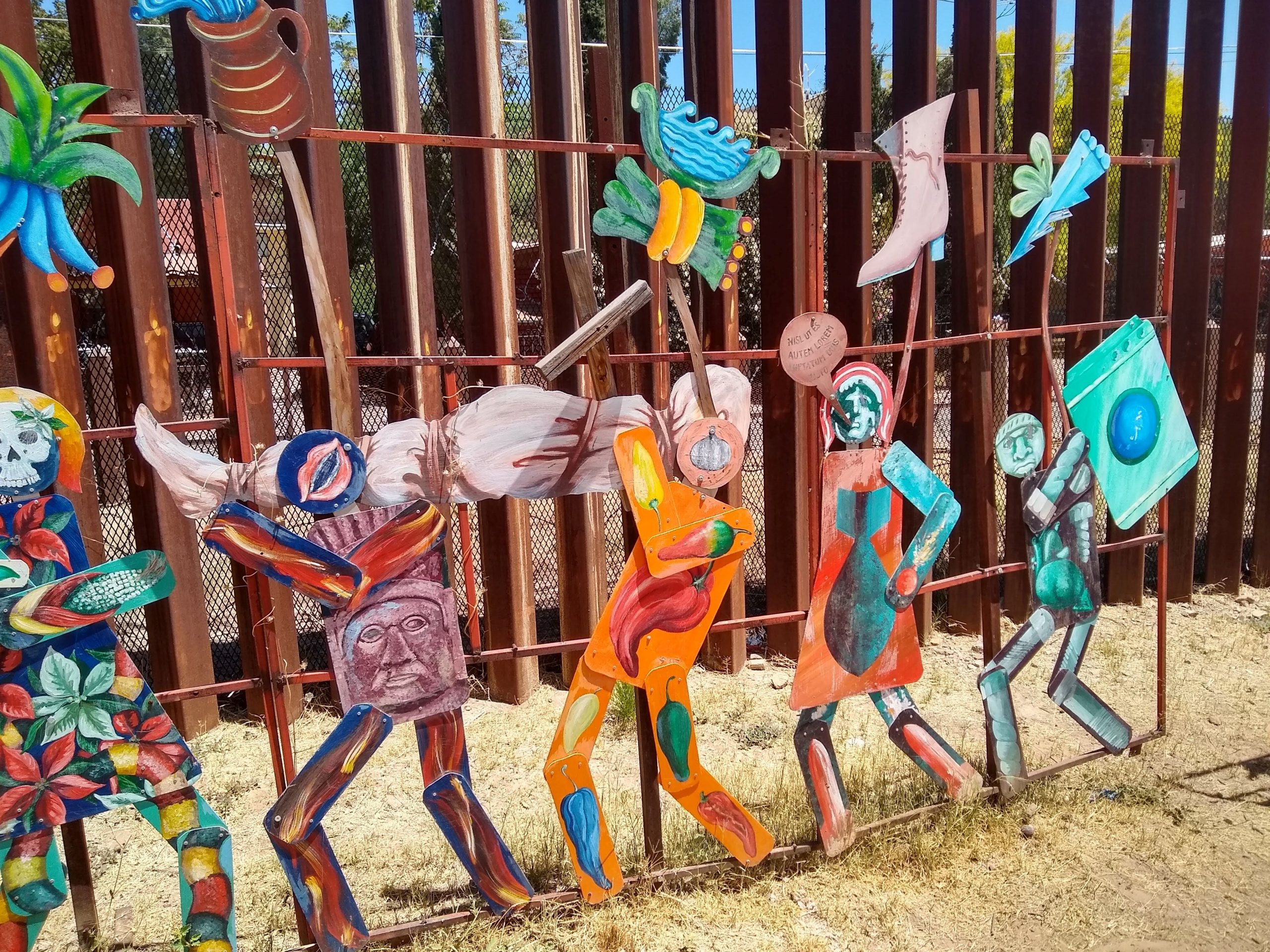 Students met with activists, traveled to 2 border towns in Mexico, spent time at the border wall, participated in workshops hosted by Borderlinks, and listened to UConn faculty experts lecture about border issues via webex. They hiked in the desert, placed water for people in danger of dehydration, attended a mariachi mass, and visited a migrant shelter. Students examined intersections of immigration, gender identity, asylum, collective action and art. They also had time to explore Tucson, a vibrant city with a rich artistic tradition influenced by Mexican muralism and tilework. Students earned 3 credits in LLAS or HRTS from participating in the program and course, which was designed by many hands: Anne Gebelein, Mark Overmyer-Velazquez, Kathryn Libal, Megan Berthold and Rodolfo Fernandez. Professor Fernandez will run the course from May 18th-28th in 2023.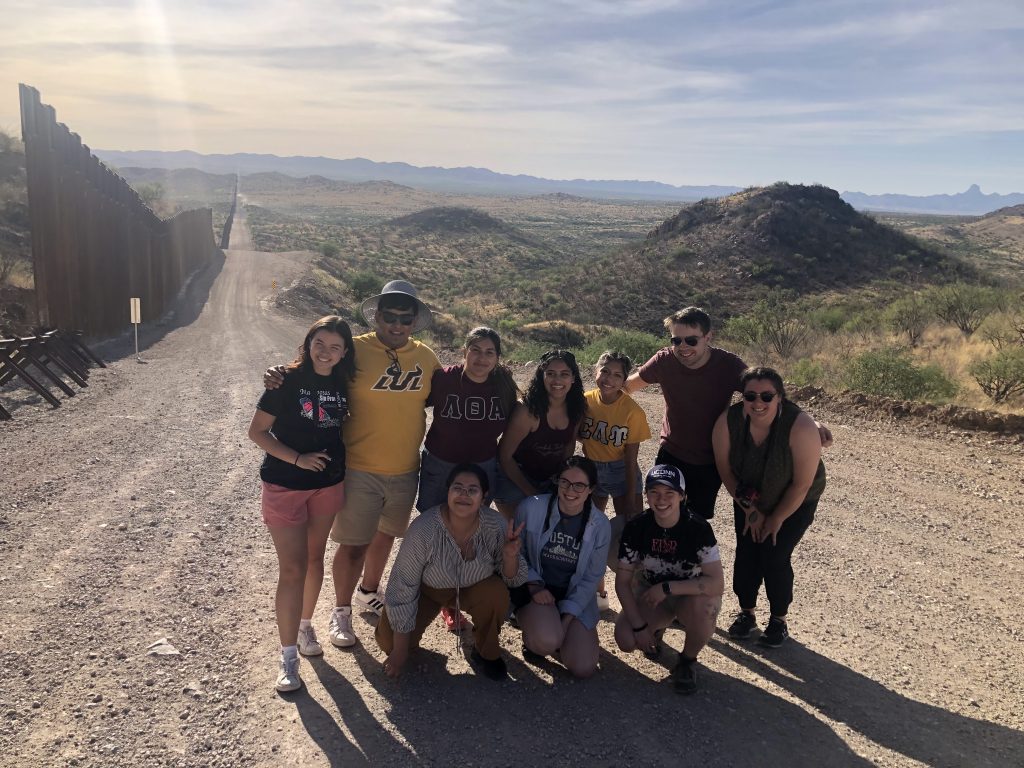

 This ongoing collaboration between UConn’s cultural institutes, Yale’s Lehrman Center, the Anti-Racist Teaching and Learning Collective is known as the Black and Latino History Project. Its aim is to support teachers in the teaching of the new high school course and in teaching more inclusive history. Gebelein is organizing the fall series on Agricultural Labor in Shade Tobacco; Dr Daniel Hosang Martinez of Yale is organizing an early spring series on Eugenics; and Vernal is organizing a late spring series on Black and Puerto Rican Migration.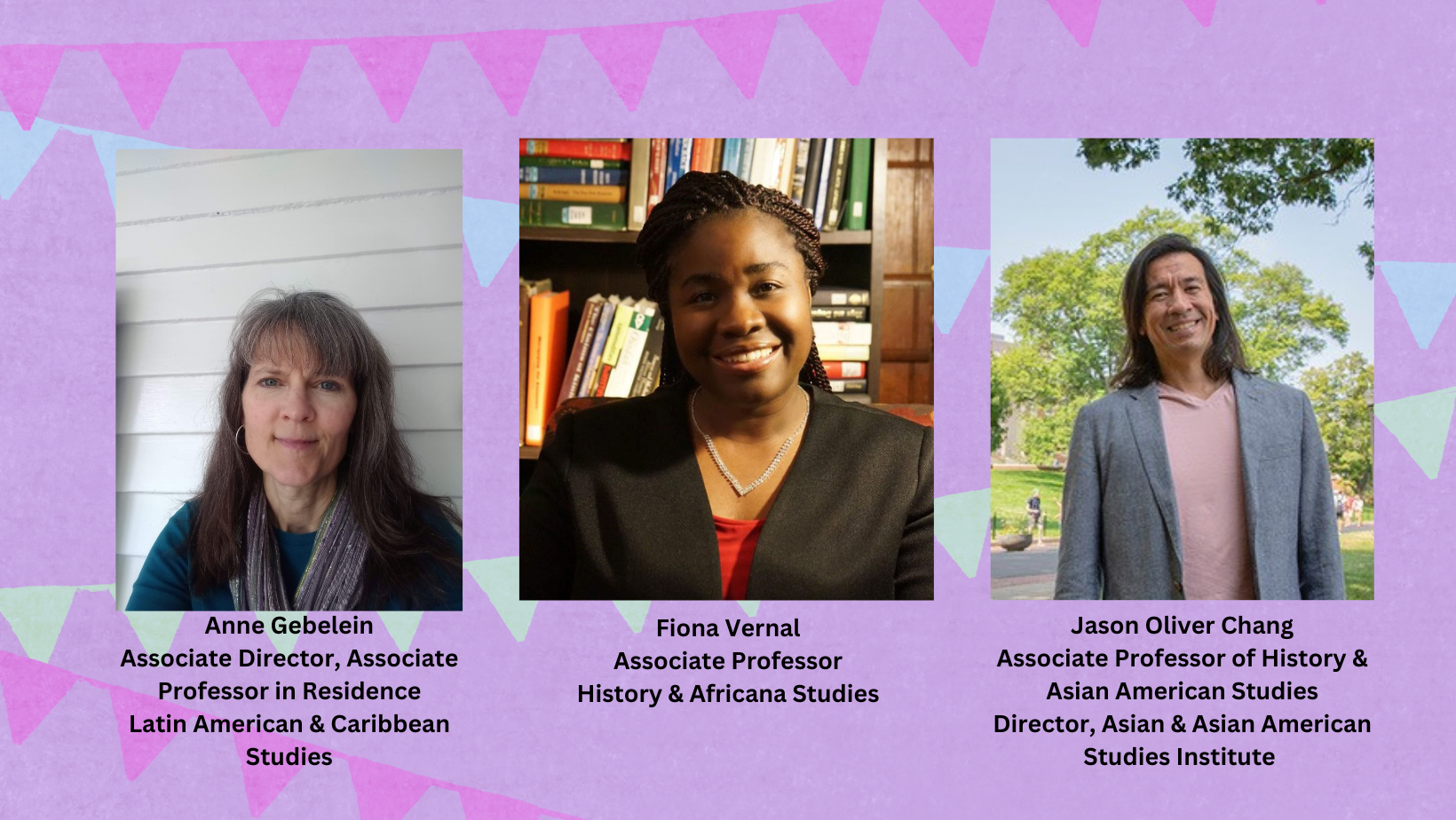
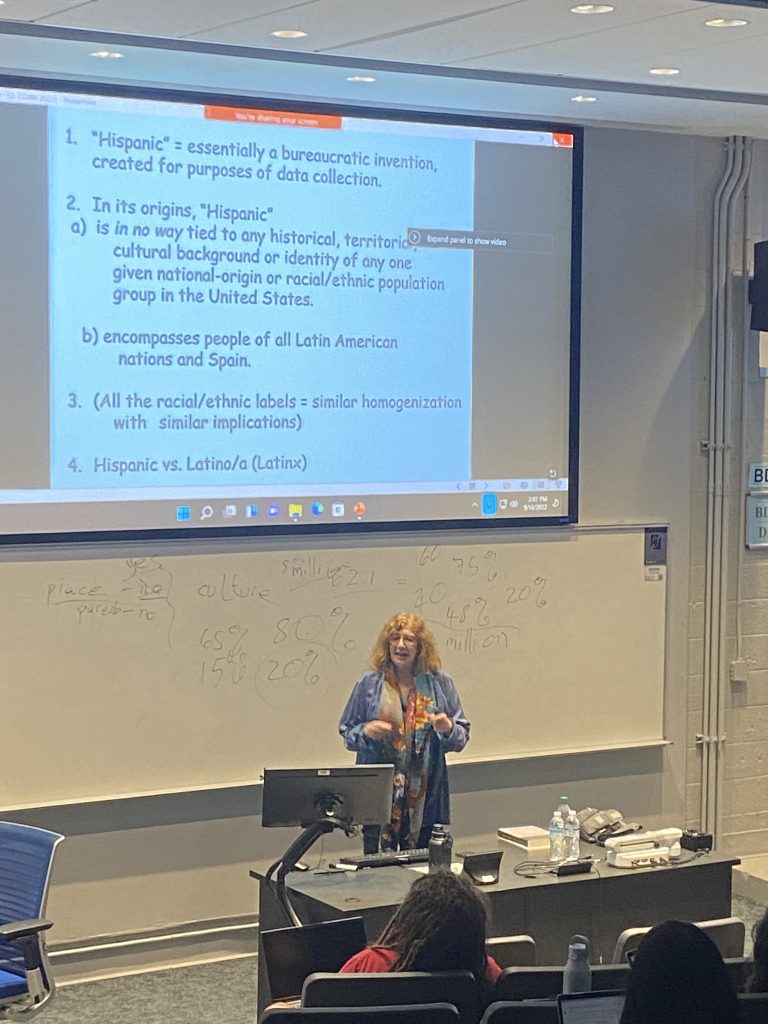 Bio: Suzanne Oboler is currently a Professor at John Jay College of Criminal Justice in New York, New York where she teaches courses in Latin American and Latinx Studies. In 2011, the Pontifical Catholic University of Rio de Janeiro honored Professor Oboler with the title of Fulbright Distinguished Chair in American Studies. Throughout her career, Professor Oboler has been at the forefront of innovative and groundbreaking scholarship in the areas of human rights, race, immigration, and citizenship. Among her numerous academic accomplishments, Professor Oboler was the founding editor for Latino Studies from 2002-2012, and has served in various editorial roles for seminal works in Latin American and Latinx Studies including, Latinos and Citizenship: The Dilemma of Belonging
(2006), the Oxford Encyclopedia of Latinos and Latinas in Contemporary Politics, Law and Social Movements (2 Volumes; 2015), and Neither Enemies nor Friends: Latinos, Blacks, Afro-Latinos (2005), and many more noteworthy publications. One of her most famous and groundbreaking scholarly publications is, Ethnic Labels, Latino Lives: Identity and the Politics of (Re)Presentation in the United States (1995), which received high praise from several notable historians, including Professor Evelyn Hu-DeHart of Brown University, and Professor Emeritus Ramón A. Gutiérrez of the University of Chicago.
Bio: Suzanne Oboler is currently a Professor at John Jay College of Criminal Justice in New York, New York where she teaches courses in Latin American and Latinx Studies. In 2011, the Pontifical Catholic University of Rio de Janeiro honored Professor Oboler with the title of Fulbright Distinguished Chair in American Studies. Throughout her career, Professor Oboler has been at the forefront of innovative and groundbreaking scholarship in the areas of human rights, race, immigration, and citizenship. Among her numerous academic accomplishments, Professor Oboler was the founding editor for Latino Studies from 2002-2012, and has served in various editorial roles for seminal works in Latin American and Latinx Studies including, Latinos and Citizenship: The Dilemma of Belonging
(2006), the Oxford Encyclopedia of Latinos and Latinas in Contemporary Politics, Law and Social Movements (2 Volumes; 2015), and Neither Enemies nor Friends: Latinos, Blacks, Afro-Latinos (2005), and many more noteworthy publications. One of her most famous and groundbreaking scholarly publications is, Ethnic Labels, Latino Lives: Identity and the Politics of (Re)Presentation in the United States (1995), which received high praise from several notable historians, including Professor Evelyn Hu-DeHart of Brown University, and Professor Emeritus Ramón A. Gutiérrez of the University of Chicago.